Twelve ACN members earned ACN Professional Improvement Foundation (PIF) stipends to attend the 2025 IFAJ Congress in Nairobi, Kenya. Here is the report from Greg Lamp, one of the recipients.
By Greg Lamp, ACN member
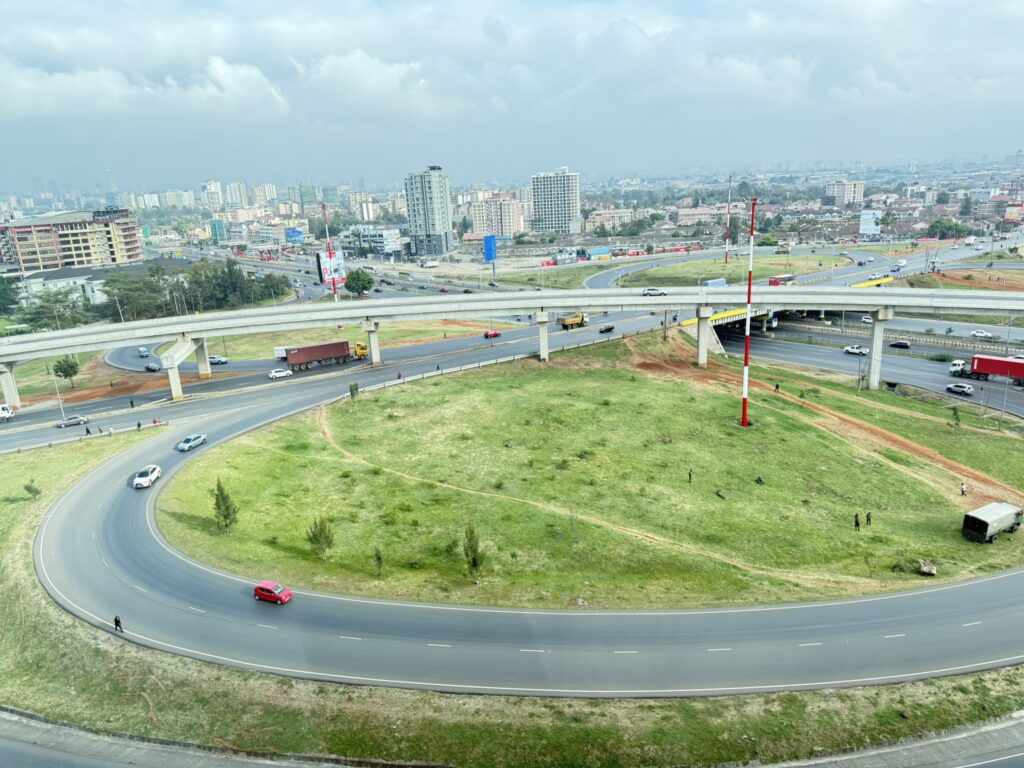
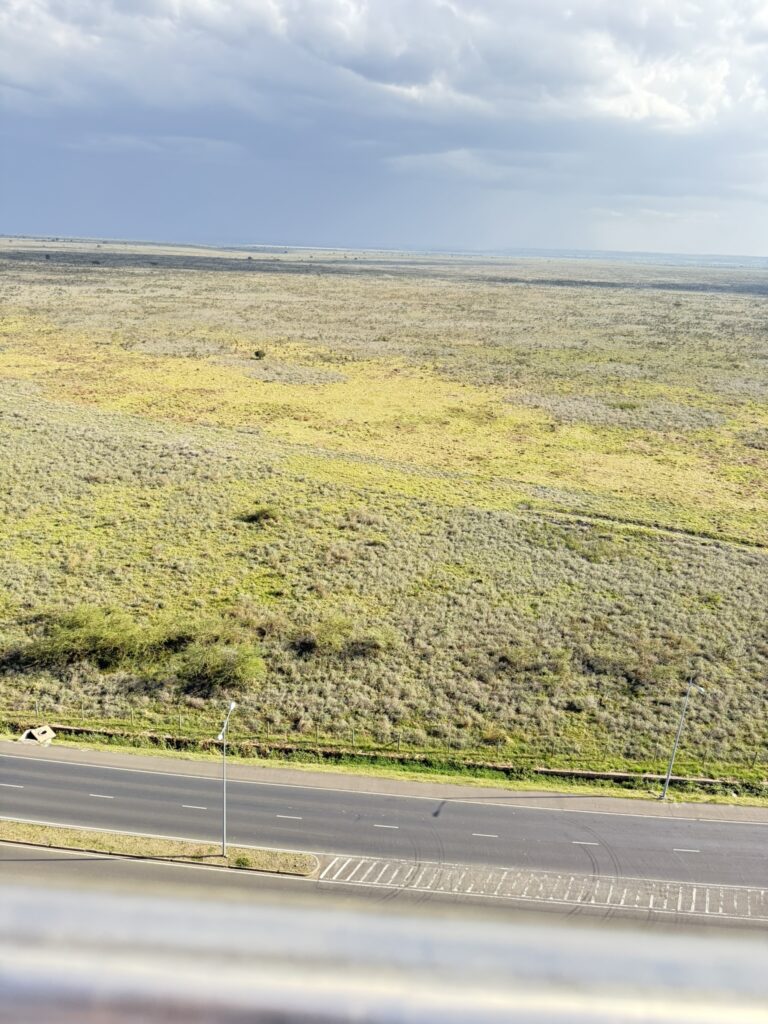
Looking out of my eighth-floor window in Nairobi, I saw an immense, sprawling city of more than six million people. But looking out the other side of the building was almost hard to comprehend, at least for me. There wasn’t a skyscraper, bus, or car in sight, just the vastness of Nairobi National Park, spreading over 29,000 acres or 45,000 square miles. Only a highway and what looked to be a barbed-wire fence separated us from wild animals. And the fence was more like one from a typical Montana ranch, not like one you’d expect out of Jurassic Park.
The Park is home to African wild animals you’d typically see on a safari, though I didn’t see a single one. The hotel staff claimed sensor alerts help notify authorities of wandering animals, but mostly I think the city relies on its lights and sounds to keep wildlife from crossing into the city. Of course, they say, the barrier doesn’t always work, and occasionally a lion will slip by and wind up attacking and killing people. It’s just plain crazy and a bit unnerving. Still, people seemed to take it in stride, much like we do with raccoons wandering into our cities.
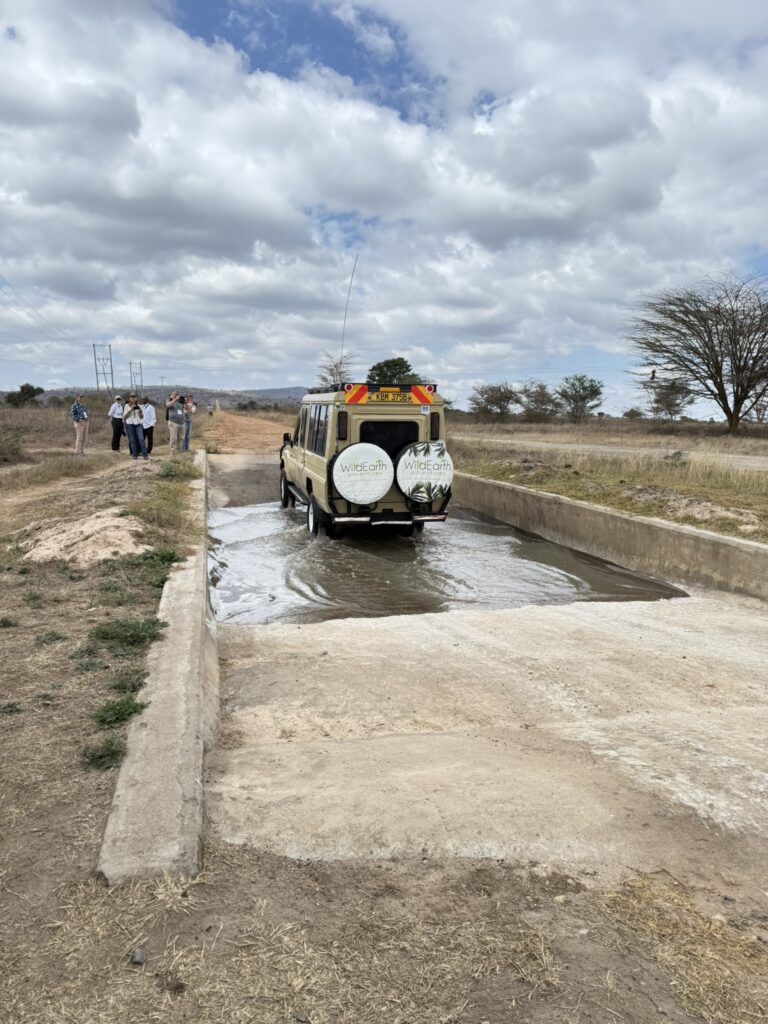
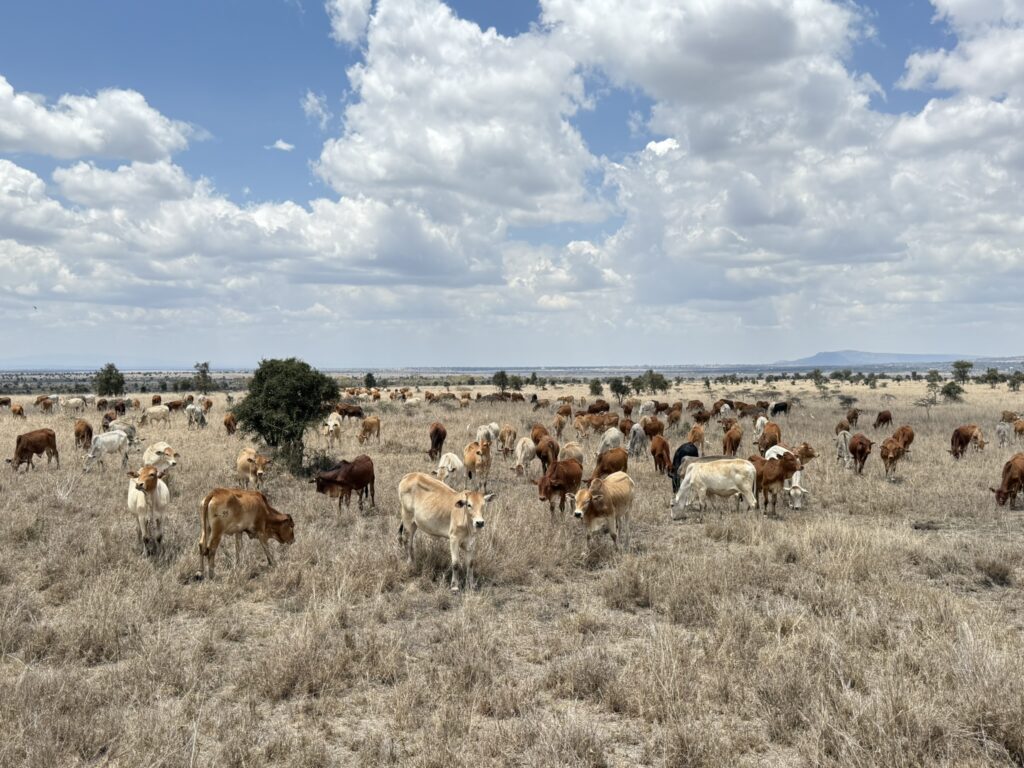
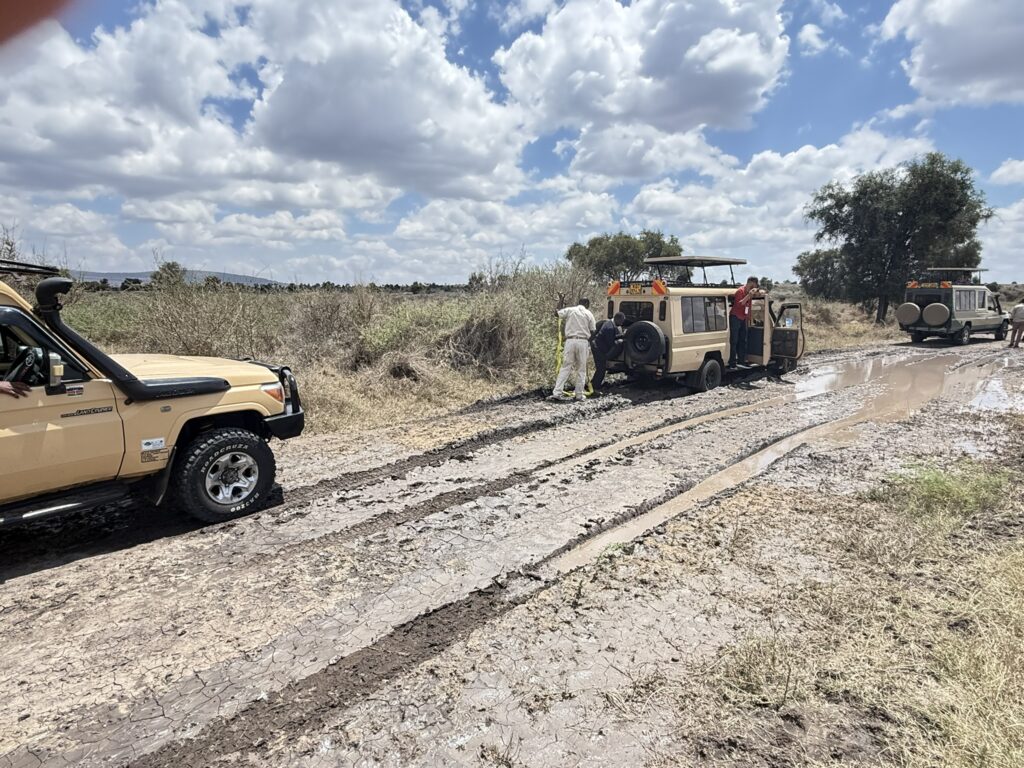
Farm visits are the cornerstone of an IFAJ Congress, and I was in a group that headed out one early morning for a full day at the Kapiti Research Station and Wildlife Conservancy, about 35 miles southeast of Nairobi. This stop was unlike any you’d ever see here in the U.S.
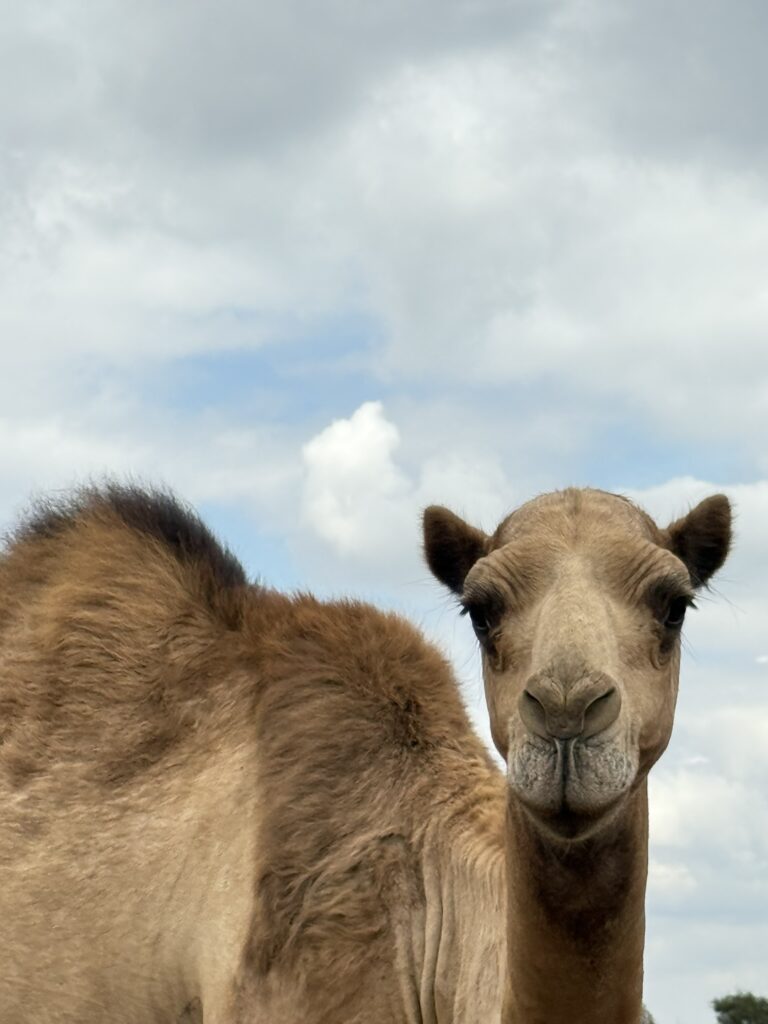
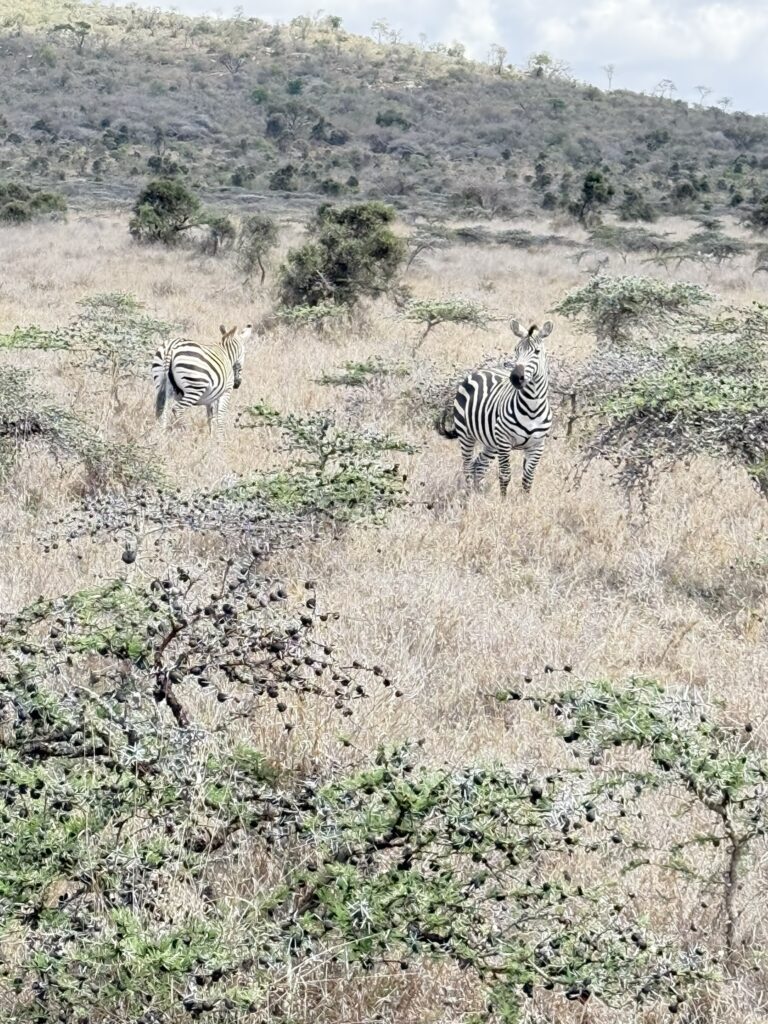
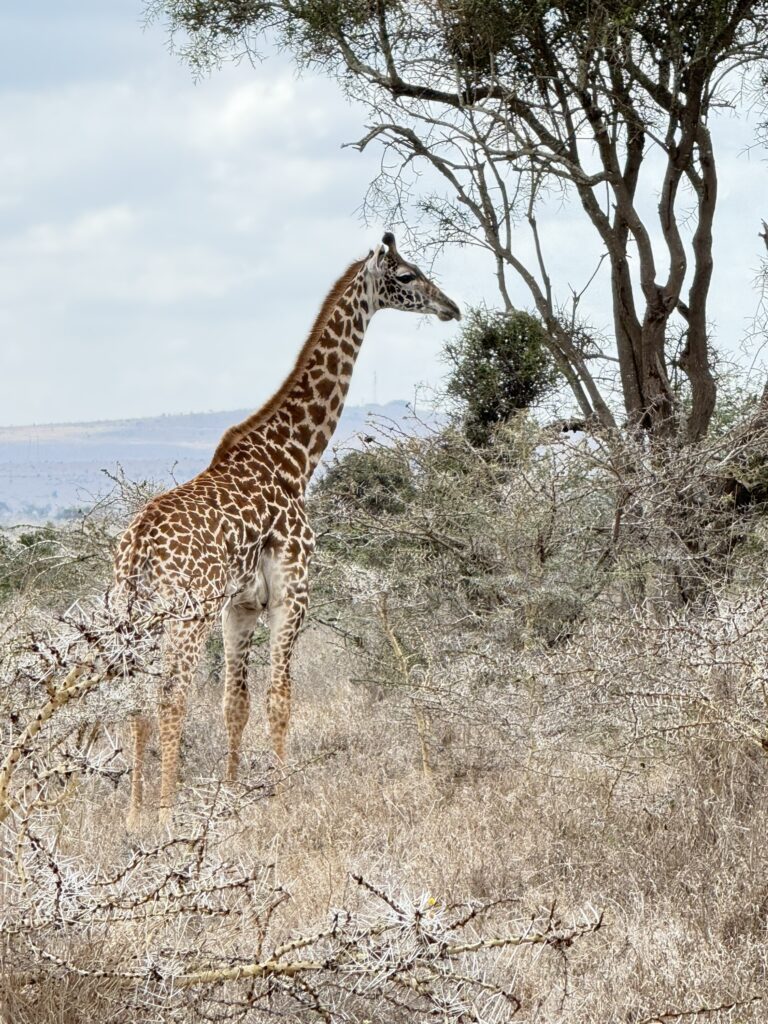
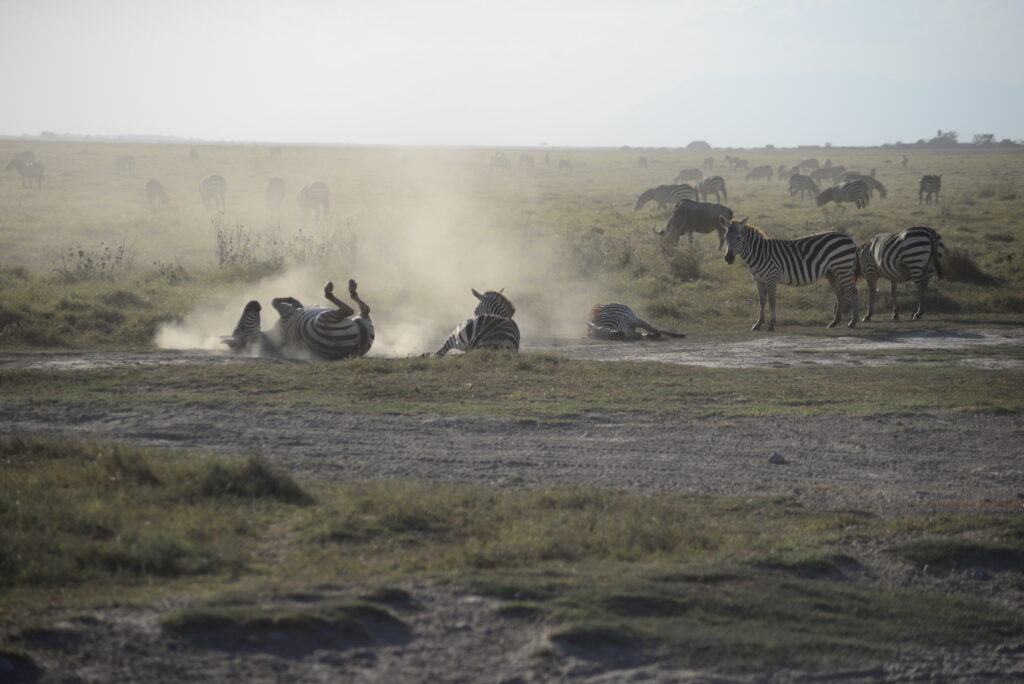
At our first turn on a winding dirt road after entering the 32,000 acres of semi-arid rangeland, we stopped to let a herd of camels cross in front of us. That’s when our guide said to keep our eyes peeled for other wildlife such as giraffes, gazelles, antelopes and zebras, plus carnivores such as lions, cheetahs and leopards. We saw everything but the meat-eaters.
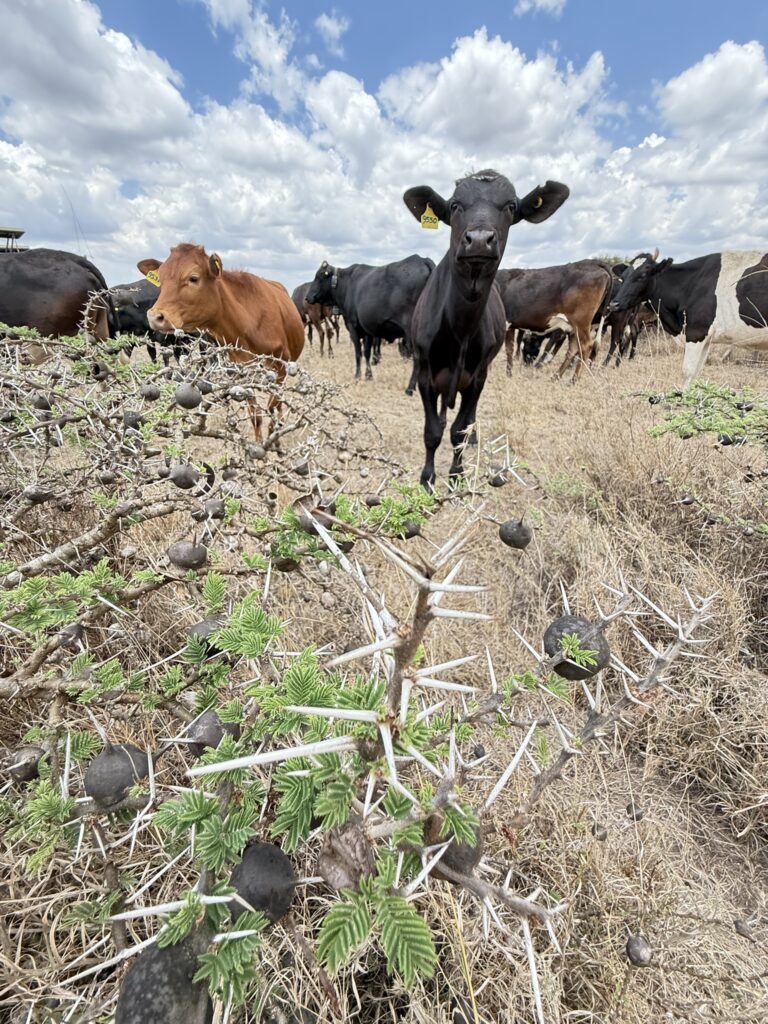
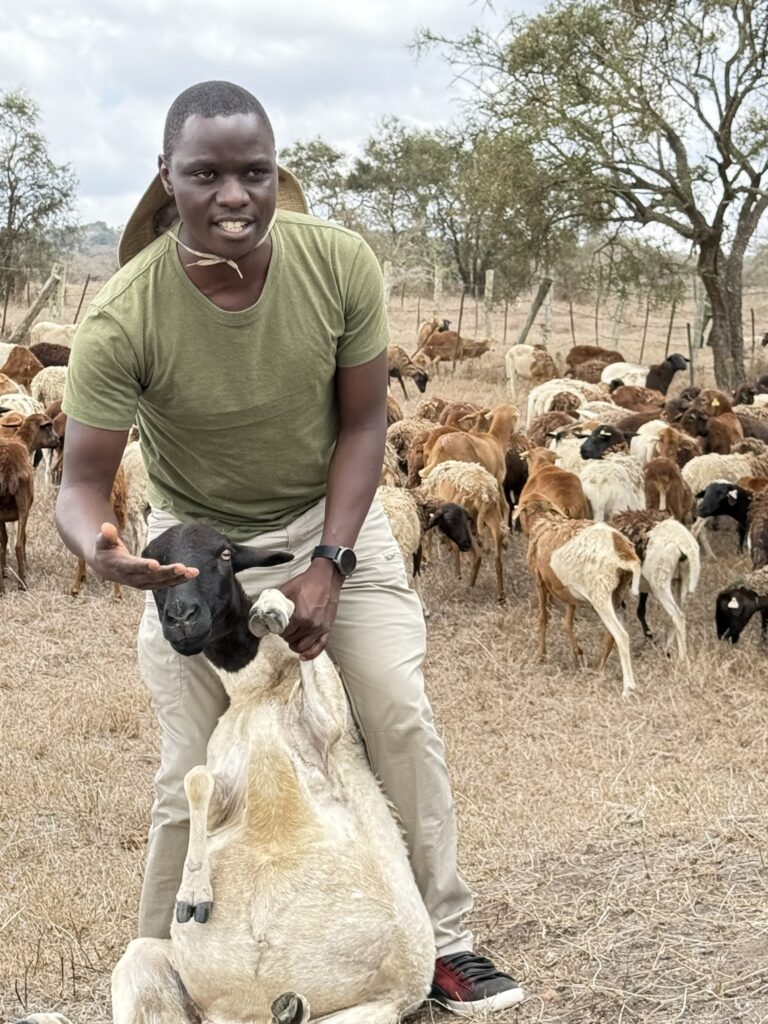
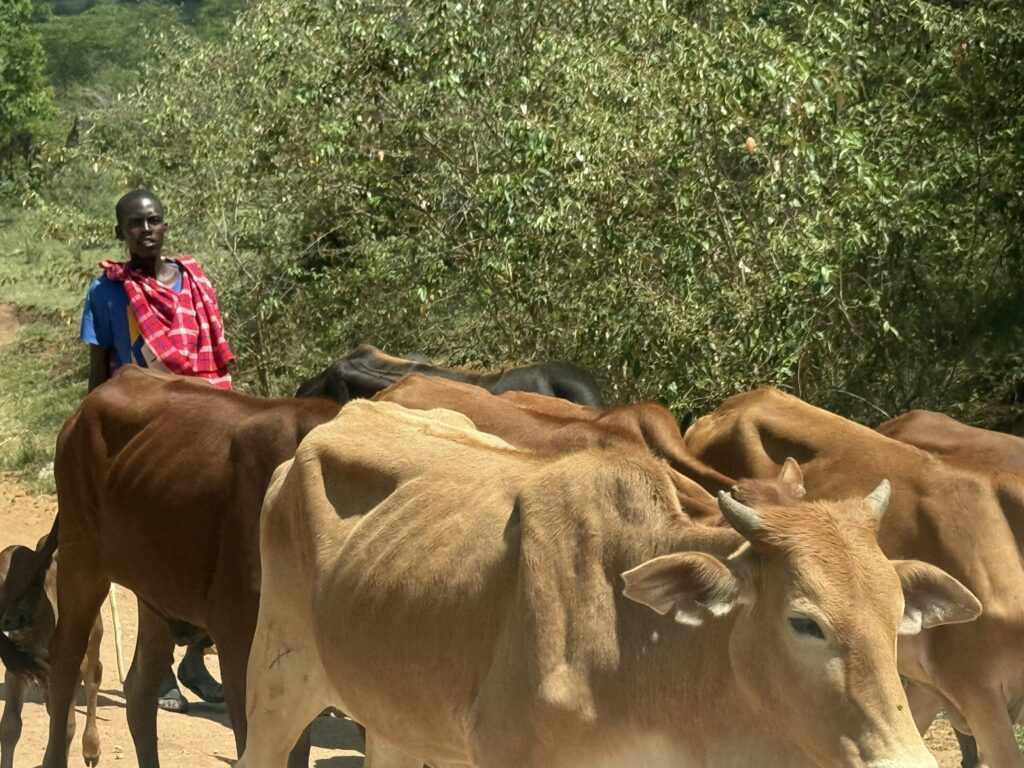
We met at the headquarters near the top of the ranch (about a mile high) for a briefing, and then off to a three-hour tour led by Nelson Kipchirchir, ranch manager. The station is home to 2,000 head of cattle (Boran and Friesian), 2,500 sheep (Red Maasai and Exotic), 900 goats (Galla) and 40 camels (Somali Dromedaries).
Livestock are herded all day and at night corralled and guarded to protect them from being killed. On average, they lose 1-4% of their stock every year to wild animals.
Of the several research projects, Kipchirchir seemed most enthusiastic about what he called the Slick study, where they’ve introduced semen from New Zealand heat-tolerant Senepol cattle into their Friesian dairy cows.
“We’re evaluating the performance of cattle possessing the Slick gene where cows have a thinner, shorter hair coat. The hope is that it will allow animals here to better tolerate extreme temperatures and stay up to 1° C (about 2° F) cooler and improve milk production,” he says. “We’re in the baby stages and so far only have calves from the crosses undergoing performance testing.”
Another trial in progress is the Digital Twin Project, whereby low-cost animals wear sensors and have a bolus inserted into their rumen. They’re then monitored for location, temperature, humidity, wind speed, solar radiation, plus a variety of other data. Kipchirchir says to date, they’ve captured more than 16 terabytes of baseline data to analyze and use to recommend ways for farmers to make better management decisions.
Kapiti has also contributed to the development of several vaccines to combat a host of fever-type diseases like East Coast Fever in cattle, which kills an unvaccinated African animal every 30 seconds. Some of those diseases are spread when livestock come in contact with wildlife. In addition, Nelson showed us sheep and goats in ongoing breeding and genetic trials, as well as grass and forage research plots.
The station belongs to and is funded by the International Livestock Research Institute (ILRI), which works with partners to find ways to reduce wildlife-livestock-human conflicts.
– Lamp is a freelance writer and past president and longtime ACN board member.