By Harlen Persinger, ACN Member
Note: In October, 11 ACN Members attended the 2025 IFAJ Congress in Nairobi, Kenya. All received some type of travel stipend from the ACN Professional Improvement Foundation. Here is a report from longtime member Harlen Persinger.
It’s rather ironic to be stuck in a traffic jam – not just because I’m a freelance journalist whose commute is all of a few steps from my desk to the bedroom. It’s because it’s 10 p.m. on a Sunday night. Welcome to Nairobi! Navigating Kenya’s capital can be a complex affair.
“It normally doesn’t take this long,” explains Godfrey, the driver I hired for three days, as we patiently wait in a stretched line of cars trying to get beyond the base gate at the Jama Kenyatta International Airport. “On most nights it’s not busy in the festive season when people go up-country to visit their families.”
Nairobi is the second-largest city in the African Great Lakes region. This is considered the largest urban slum in Africa, where over five million people, representing 60% of the city’s population, occupy just 6% of the land. Congestion challenges are common. Uber and Toxify are making inroads in the country, where high competition keeps prices low. But most folks also rely on the original form of transport, their feet.
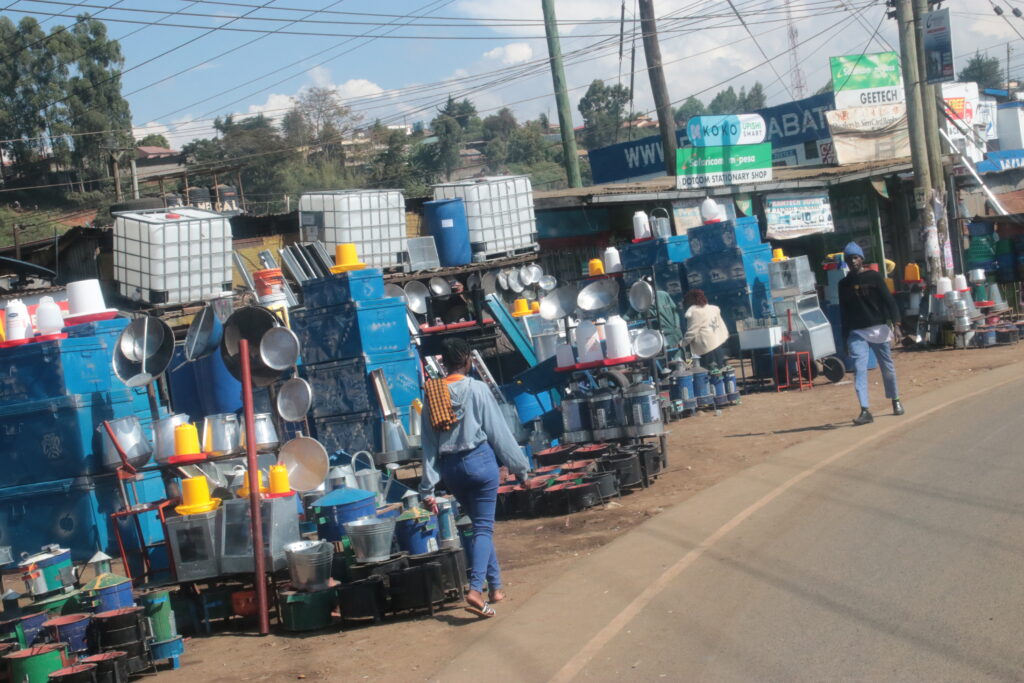
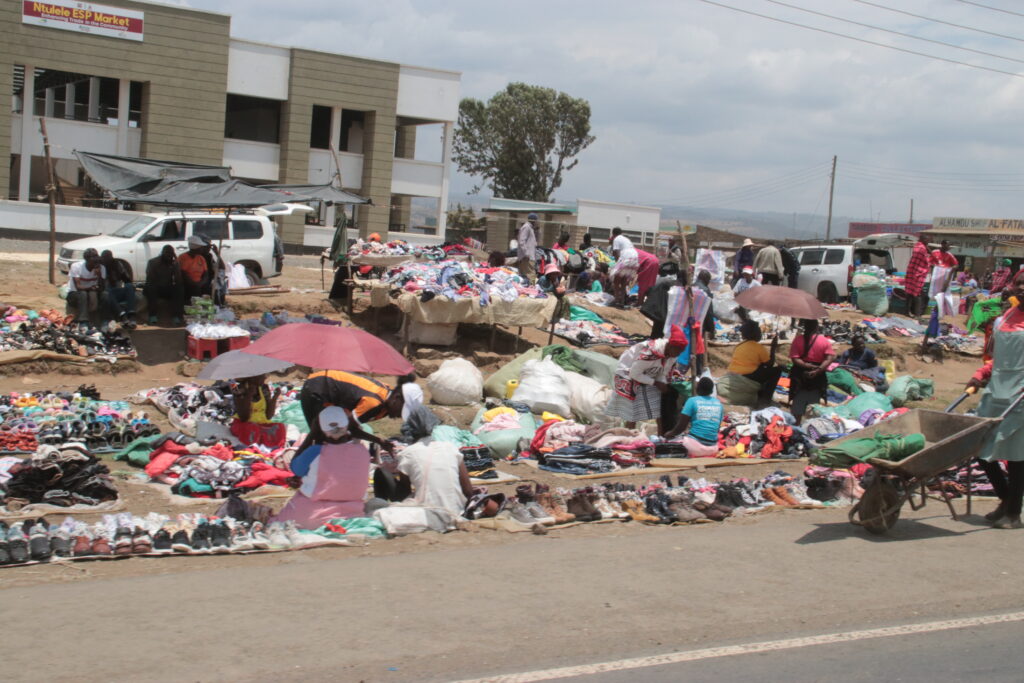
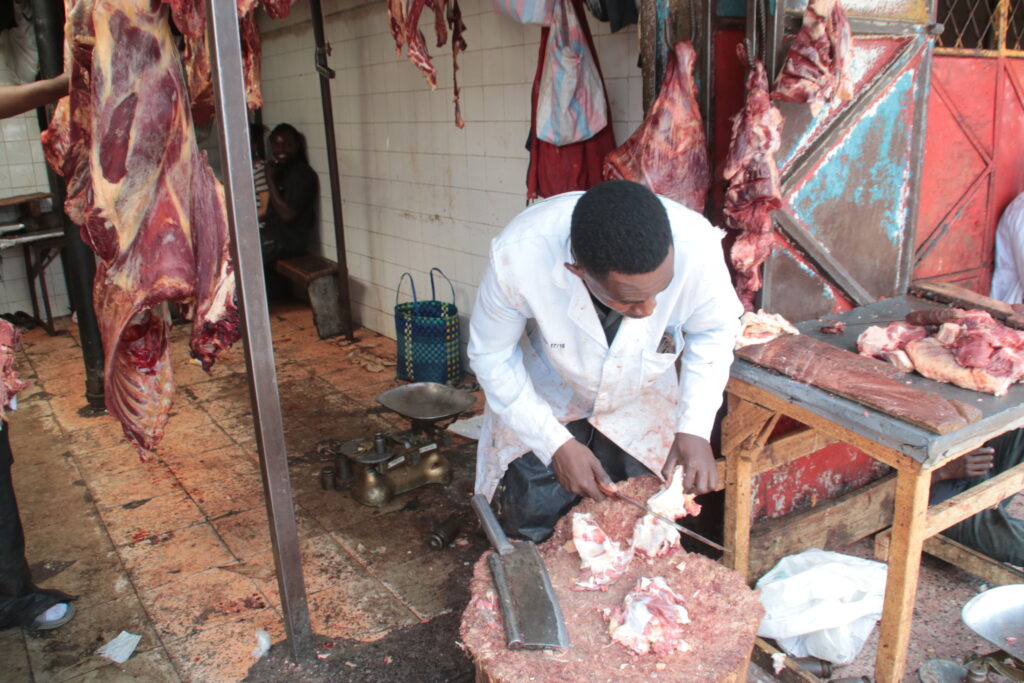
To become familiar with the local culture, the next morning I relaxed in the downtown city park, visited the railroad and national museums, and collected some souvenirs at the traveling daily Masssi Market. Later, we ventured to a fringe area where farmers bring their chickens and other small animals that are butchered, prepared and sold before closing time. Traversing quickly through the hodgepodge maze of makeshift wooden stalls with camera in hand, is not for the faint of heart. After a few minutes, it was time to exit for fresh air, return to the car and see some of the country.
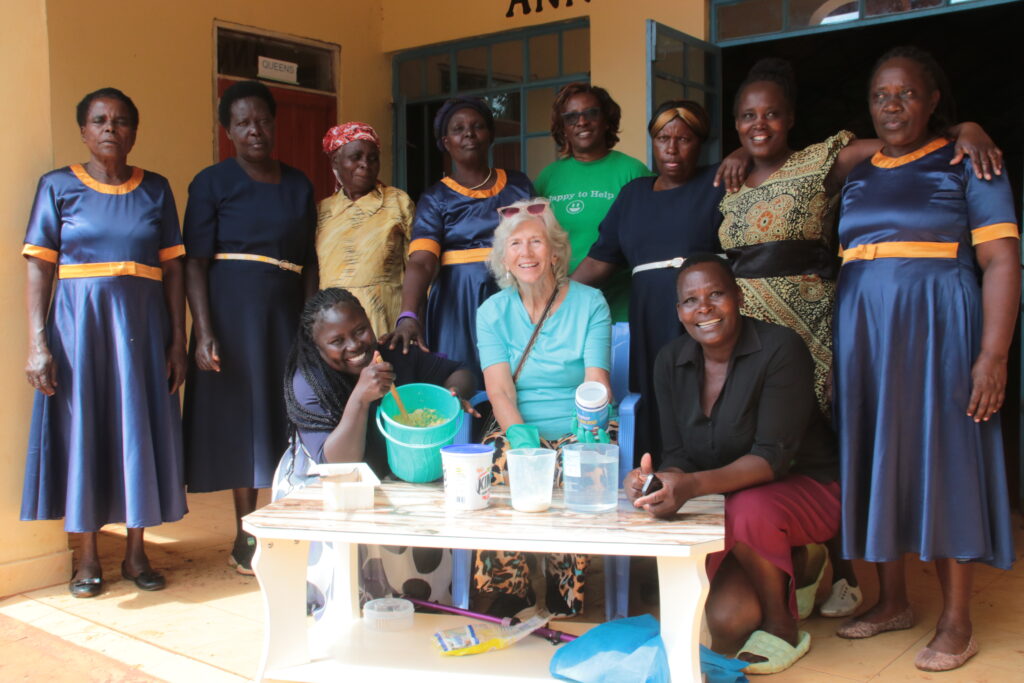
We ventured onto the curved highway with countless speed bumps and potholes for the six-hour trip to Meru to visit an orphanage started by an Oklahoman a couple of dozen years ago. Today, there are six brick structures that serve as home for 72 kids up to 18 years of age, who had been trying to live each day on the city streets. Now they have the opportunity to raise their own food, which can perhaps lead to a possible career in agriculture. This complex also serves as a gathering point for 80 widows who are taught how to make soap by a group of ladies that visit annually from Oklahoma. By learning a new skill, these local women are able to sell soap for $2 a day, which truly changes their lives.
During my brief stay, I was amazed to witness the kindness, stewardship and fellowship which delivers a win-win situation for many folks in the community.
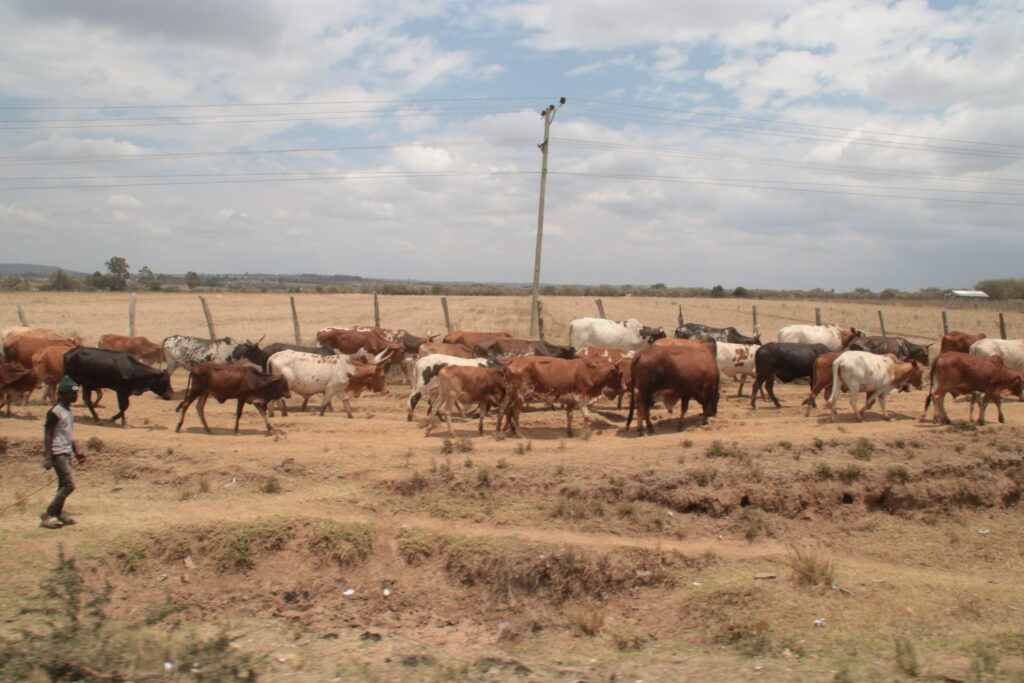
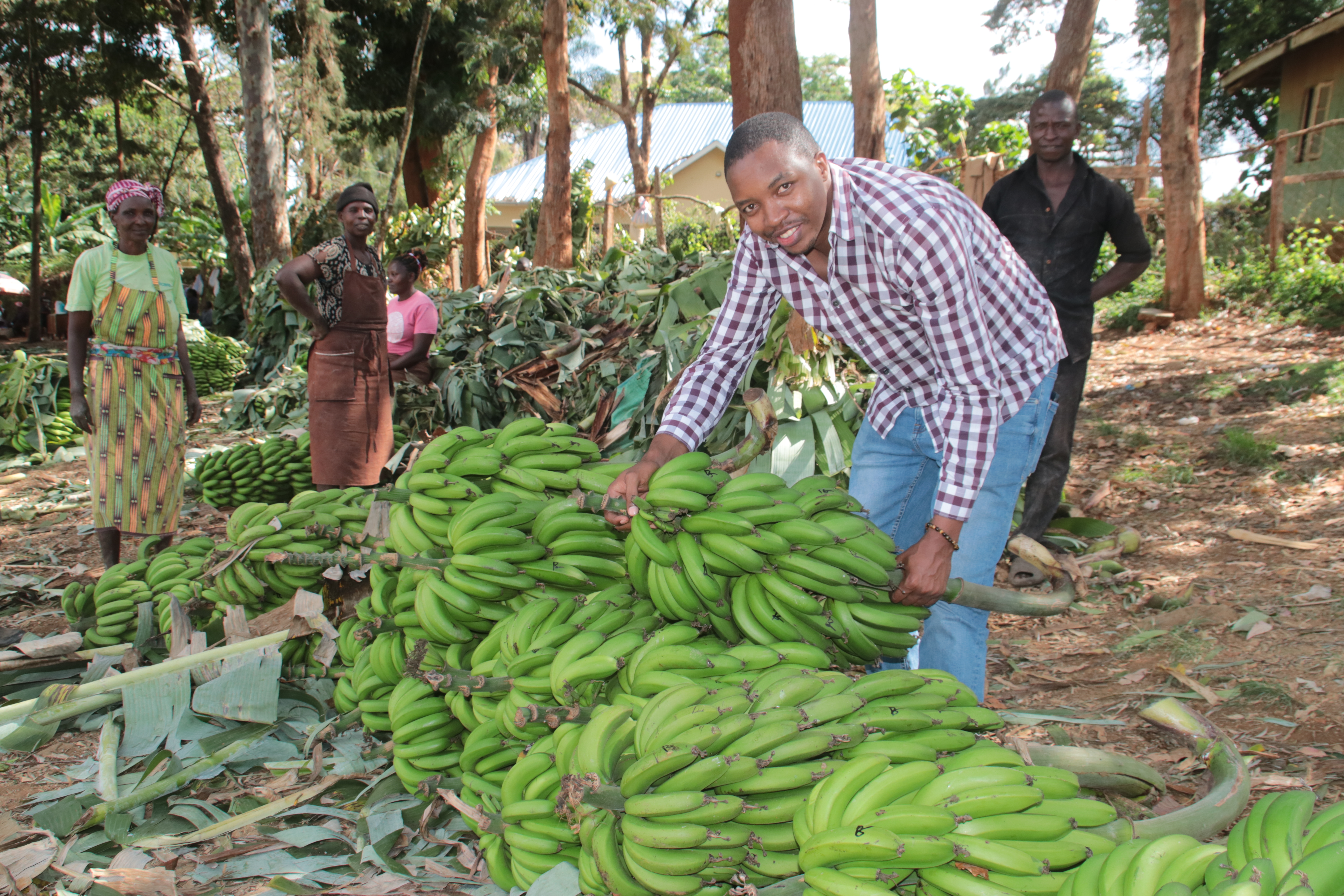
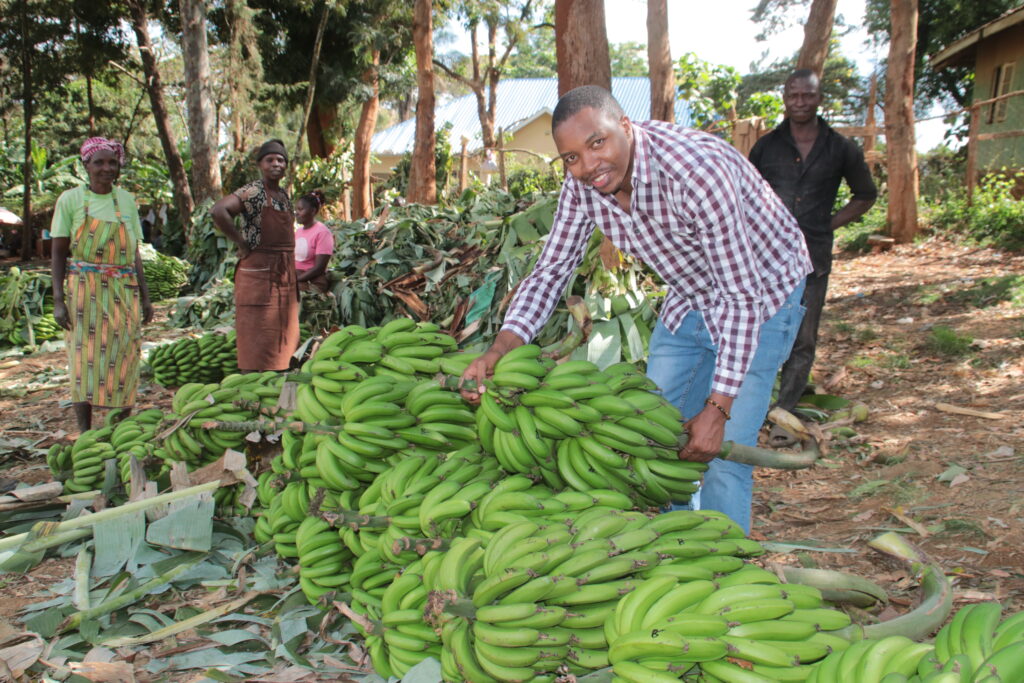
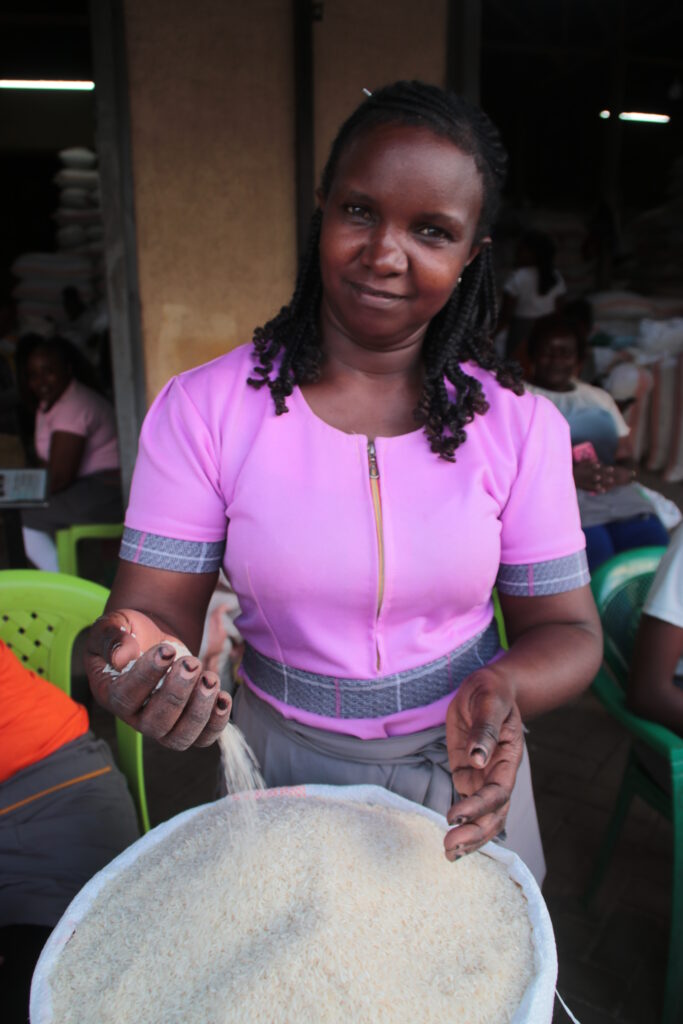
Prior to returning to Nairobi, the route covered diverse terrain and agricultural production areas. There was a staging area where bananas were being unloaded from motorcycles before being trucked into the metropolitan area. Another stop was at Budget Nice Rice Millers, where the public could purchase Pishari rice, which features a sweet, rich aroma and long, non-sticky grains. Fields of sugar cane and wheat were also being harvested along the way.

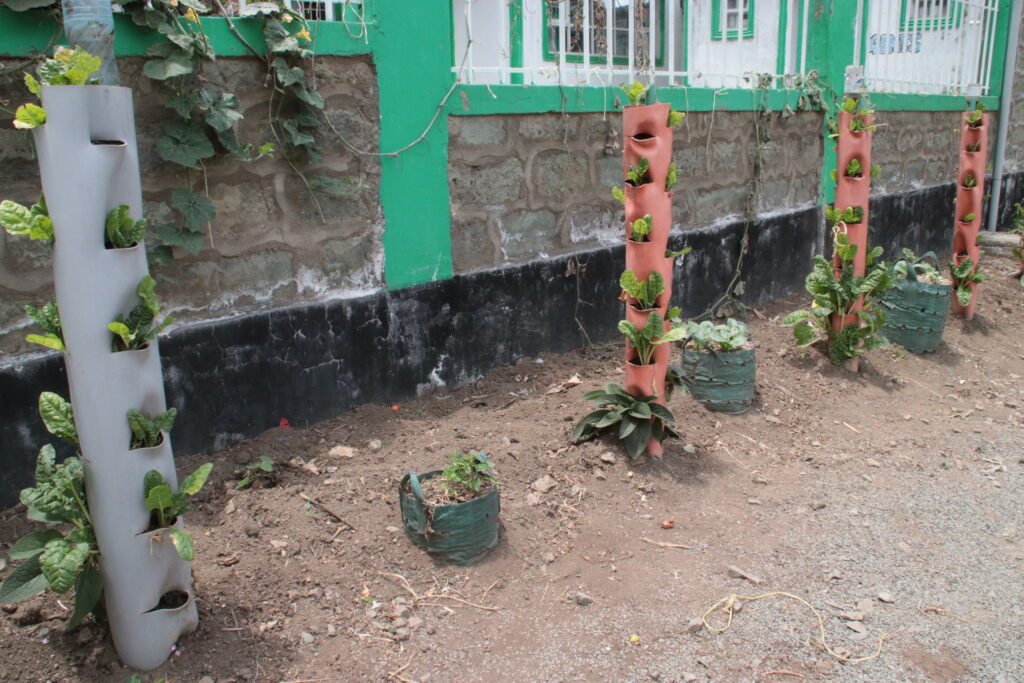
During the congress, one of the IFAJ tour stops included Charis Farm located in Nakura County. It was established in 2000 with a few ornamental birds but has now developed into a center of interest in education and tourism, not only in the region but also in the surrounding countryside. It has expanded into rabbits, goats, aquaculture, as well as organic urban and agri-business training. There is also a demonstration site for 50 species of vegetables and a fully equipped holiday home, together with a conference facility for more than 200 individuals.
The overall mission is to improve the health of the people through the provision of safe, quality food products and the livelihood of farmers through training services. The end result shows that space should not be a challenge if you want to start a farming project as your dream career. The future plan is to expand into global markets and partner with key players in our field to achieve greater food security in Kenyan society by 2030.
Harcourts Agri Eco Farm, in Juja Kiaambu County is another enterprise reshaping agriculture through innovation. They are making significant strides in recycling organic waste from local markets using black soldier flies collected from local markets, estates, or nearby industries, which produce the waste that contributes greatly to the circular economy.
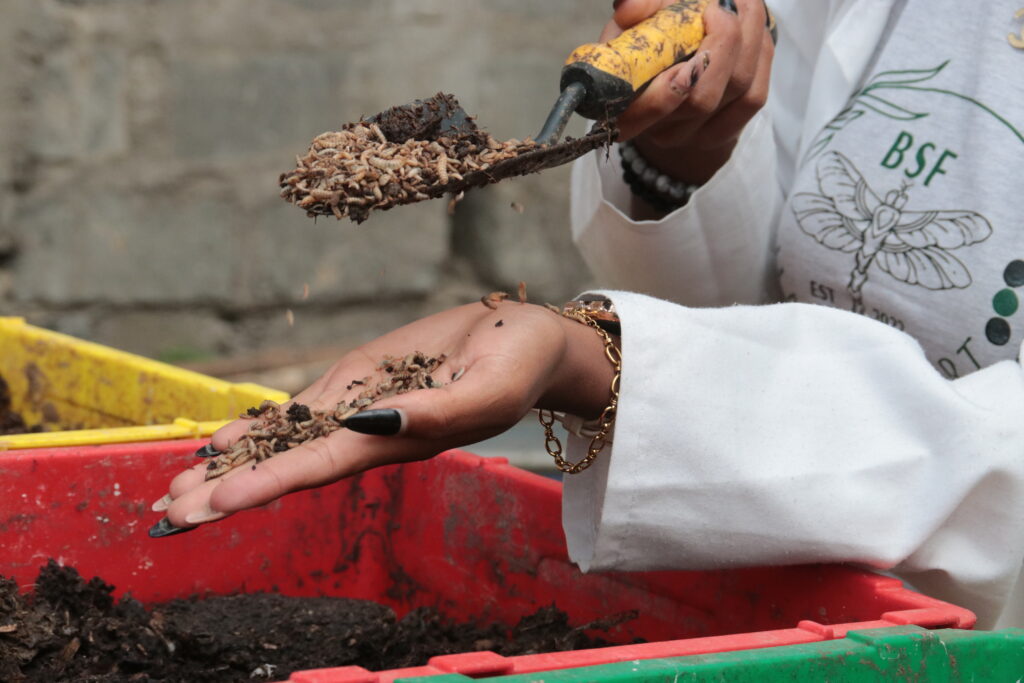
Each month the operation, located in abandoned concrete structures, produces 10 to 15 tons of organic waste reducing environmental impact while providing sustainable solutions for farmers and feed producers. Discussions have centered on potential collaboration to enhance food and nutrition security by improving soil health and reducing greenhouse gas emissions.
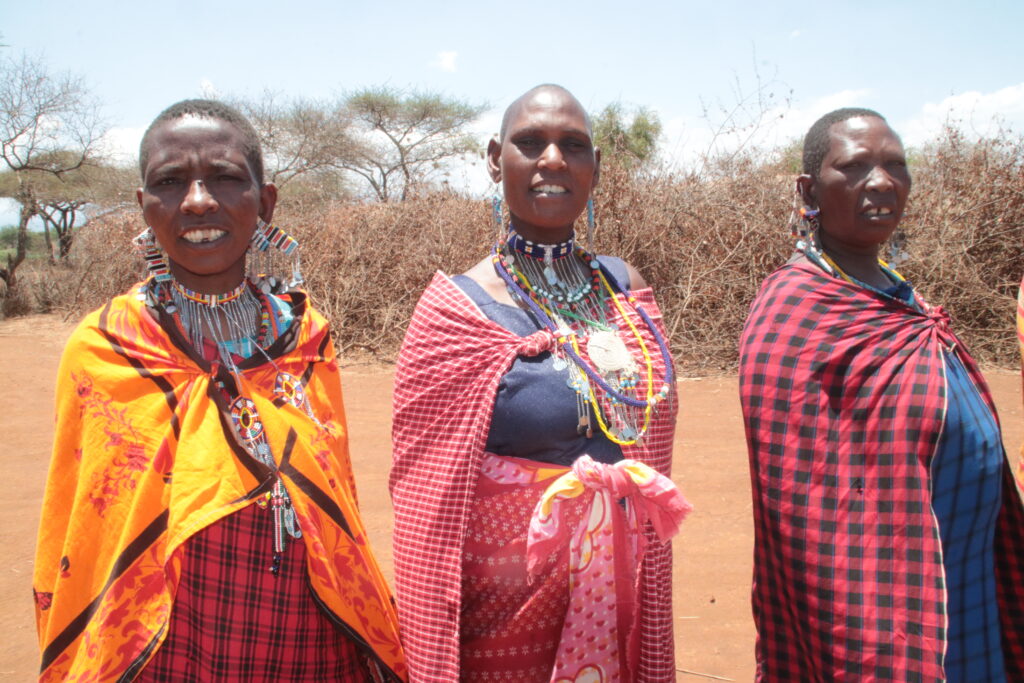
For two weeks last October, it was a phenomenal experience intermingling with this culture and living the sights and sounds of this African nation. My journey left me with a patchwork of memories linked by hours of mesmerizing scenery. Rubbing shoulders with associates, forming new friendships and interacting with past acquaintances is truly special. I have been fortunate to attend 17 IFAJ Congresses. Hopefully, I’ll catch a few more. FAREWELL KENYA!
– Persinger operates H Lens Photography and freelance writing, served on the ACN Board of Directors and is a multiple award-winning photographer and writer.