
By Jake Zajkowski, ACN Member
Note: In October, 11 ACN members attended the 2025 IFAJ Congress in Nairobi, Kenya. All received some type of travel stipend from the ACN Professional Improvement Foundation.
For many of us, agriculture is our beat, and we rarely stray from it. While we follow broader economic and food-related issues, we often leave the rest to other reporters.
At the IFAJ Congress in Nairobi last year, I noticed something different. Journalists I met from around the world weren’t just agriculture reporters — they were also health reporters, environmental watchdogs and science communicators.
In East Africa, there is a clear need for the right people to tell evidence-based stories, and I saw a growing news audience eager for them. From developments in food, diet and public health solutions, discourse is shaped from every angle, and journalists are covering it that way too.
Poultry and eggs in Kenya became, for me, a story of production, scientific discovery, public health progress and policy innovation. I was taken back by the growing stronghold poultry has on the city’s diet. It’s an accessible, affordable and consumer-trending meat product.
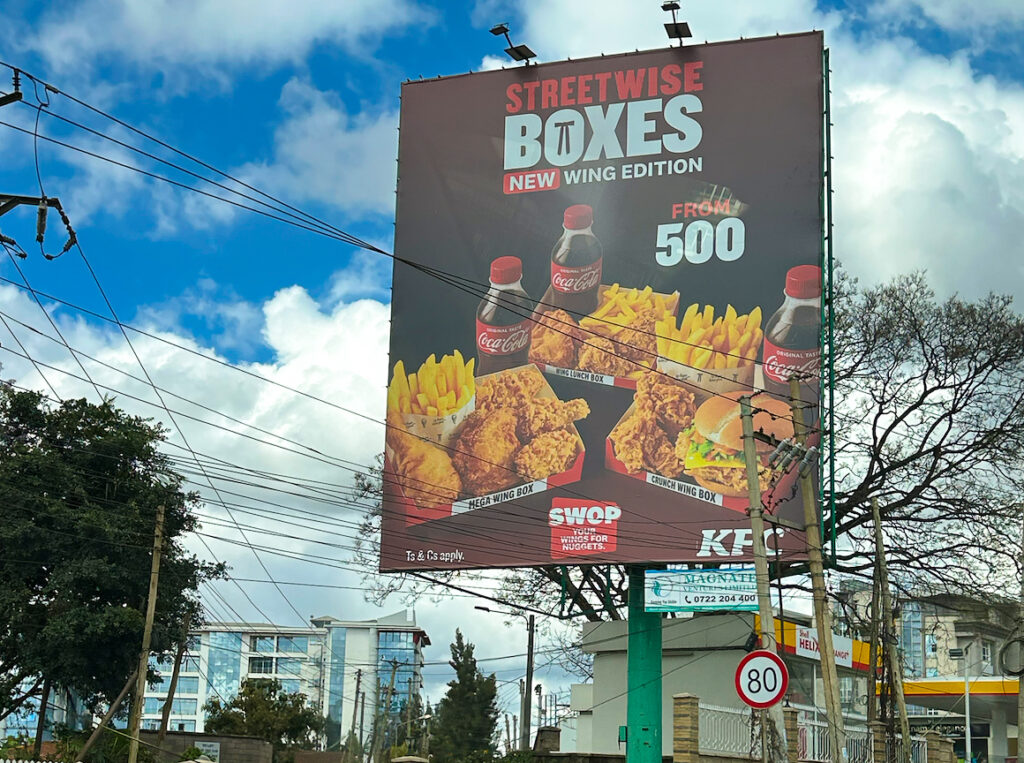
At Kenya’s Agriculture and Livestock Research Organization field site in Narvasha, we met Ann Wachira, the chief poultry research officer, who described the country’s livestock trajectory as a “chicken republic.”
Researchers there developed an indigenous breed tailored to local preferences and egg production, with plans for state government distribution in rural communities. The intent was to increase rural livelihood through livestock production. It was a strong rationale for a group of 10 journalists to circle around a single chicken for photos, and a rather deflective press gaggle.
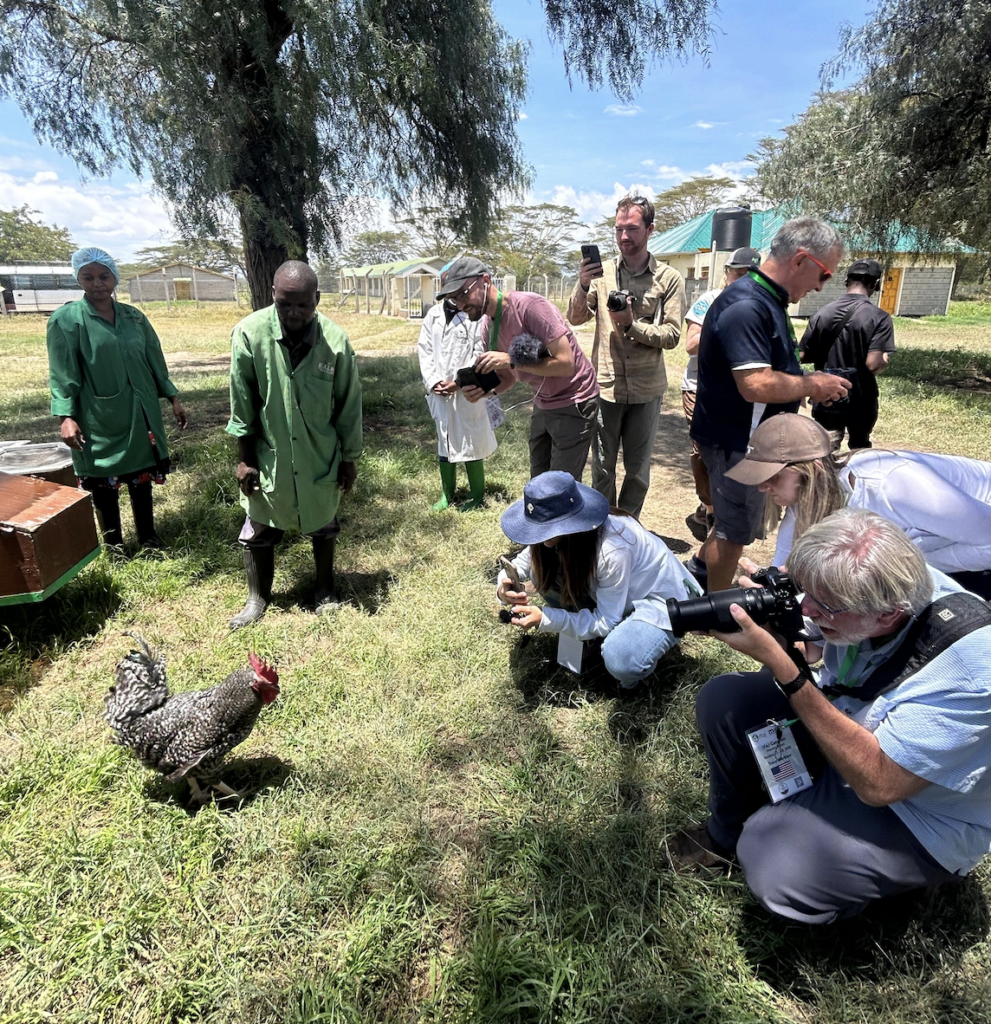
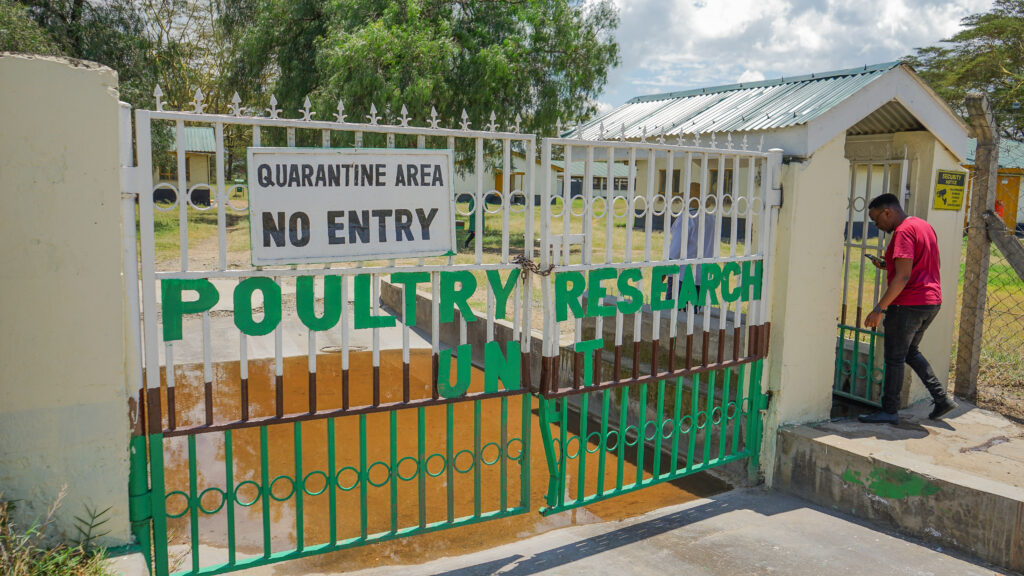
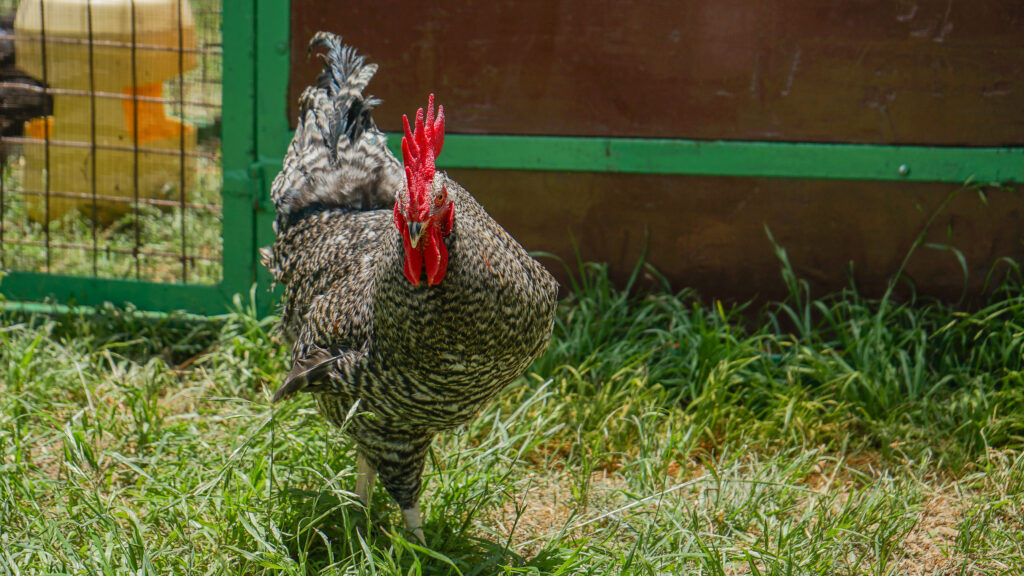
At KALRO’s poultry research farm, new indigenous chicken breeds — KC1, KC2, and KC3 — are designed around community preferences for size, color and growth rate for eggs.
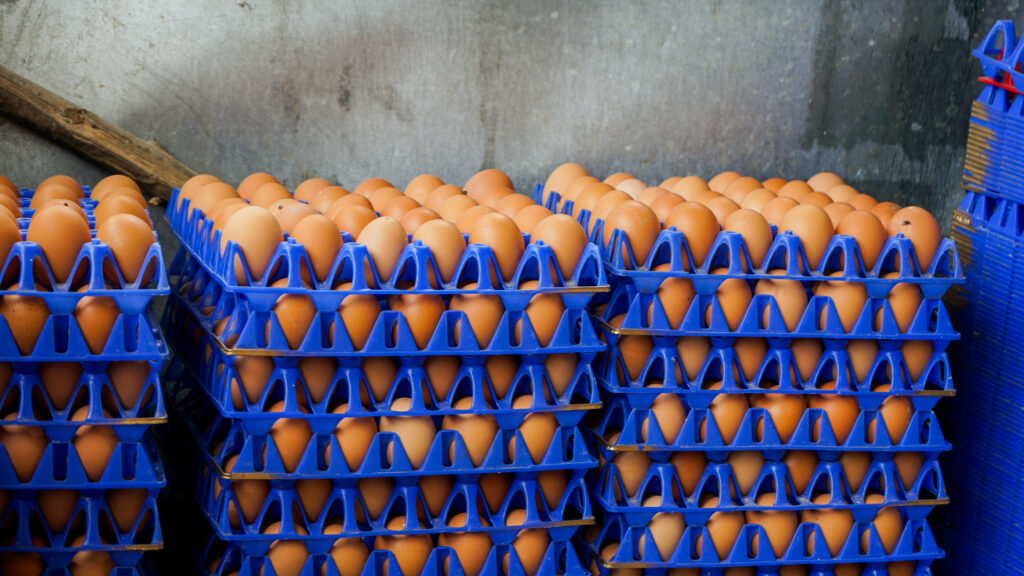
Egg farmers in the country have also found consistent demand in the egg market, compared to their crop counterparts. I reported in American media how egg protein was making the difference in food security, interviewing farmers like Steve Sande who called the protein the “missing part of the diet.”
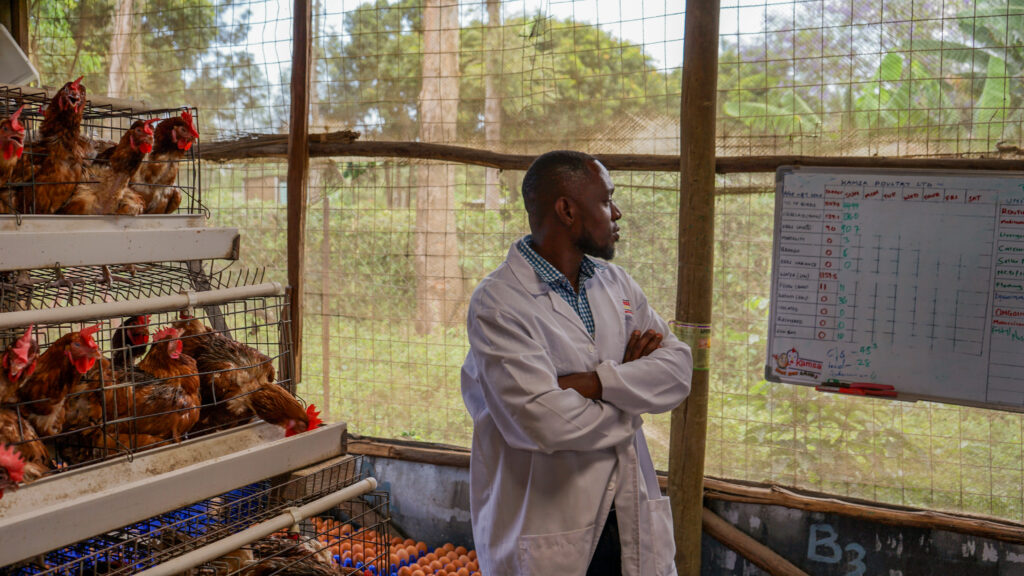
Steve Sande, egg producer at Kamsa Limited discusses his management and tracking style in one of his hen houses in Kenya.
That moment reinforced something for me. Countries reliant on agricultural trade must understand the global food system they are part of, and one they hope to feed. Farm journalism plays a key role in that, even when the story is not domestic.
Right now, two forces are pulling in opposite directions. Global engagement — through trade, war, and policy — is increasing. At the same time, American understanding of these dynamics is declining, as the number of journalists shrinks. This creates a gap in global reporting, one that agriculture journalists are well-positioned to fill.
Visiting, reporting in foreign countries is an active expression of democracy and diplomacy. It brings context to trade, innovation and shared challenges. It helps ask better questions at home too.

In an excerpt from his book, Are Foreign Correspondents Redundant?, Richard Sambrook writes that the decline of global correspondence “is principally a Western phenomenon.” He explains, “In Asia, with the prospect of major economic growth, news organizations may be set for an era of expansion. And in the developing world, countries and continents are building their own journalistic capacity — with long-term consequences for the global flow of information and the character of public debate.”
In Kenya, alongside food security efforts and a rapidly growing “chicken republic,” groups like the 2025 IFAJ Congress host, Media for Environment, Science, Health and Agriculture (MESHA), are building journalistic capacity on their own terms. With a strong commitment to press freedom and steady leadership, qualities Sambrook suggests may be eroding in parts of the Western hemisphere, agriculture journalism is taking on a leading role in the country where the Congress was held.
If we debate how food is produced in the U.S., we should also understand how it is evolving elsewhere. The “chicken republic” is one I’ll keep following.
– Zajkowski is a freelance reporter from Ohio covering the Midwest, agriculture policy and global food systems.