By Andy Castillo, ACN member
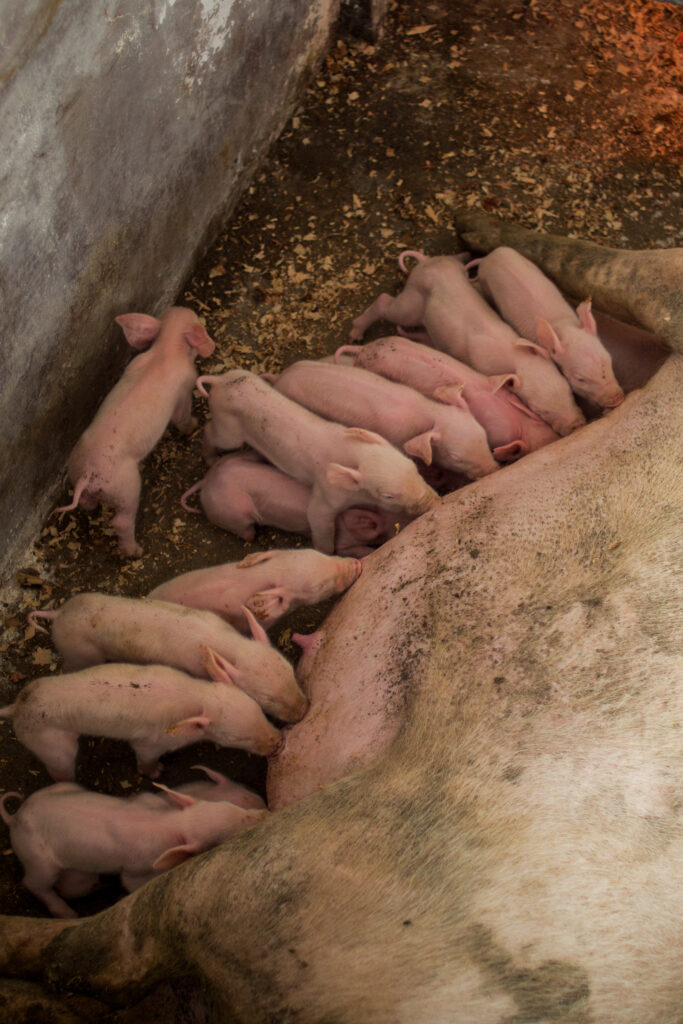
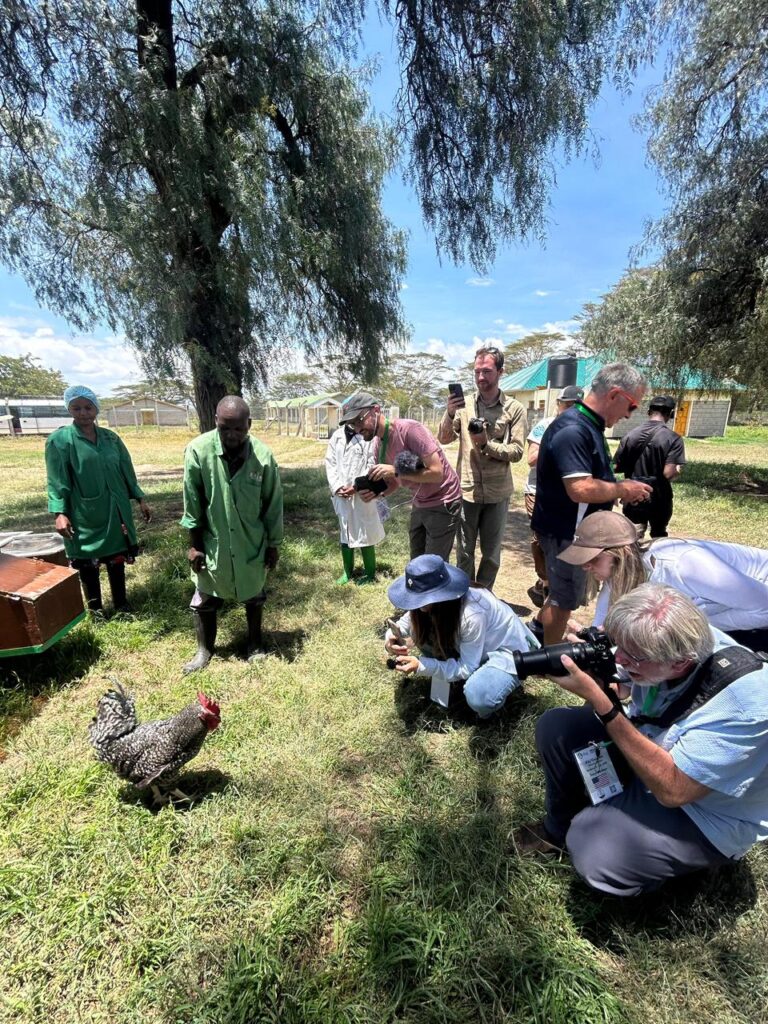
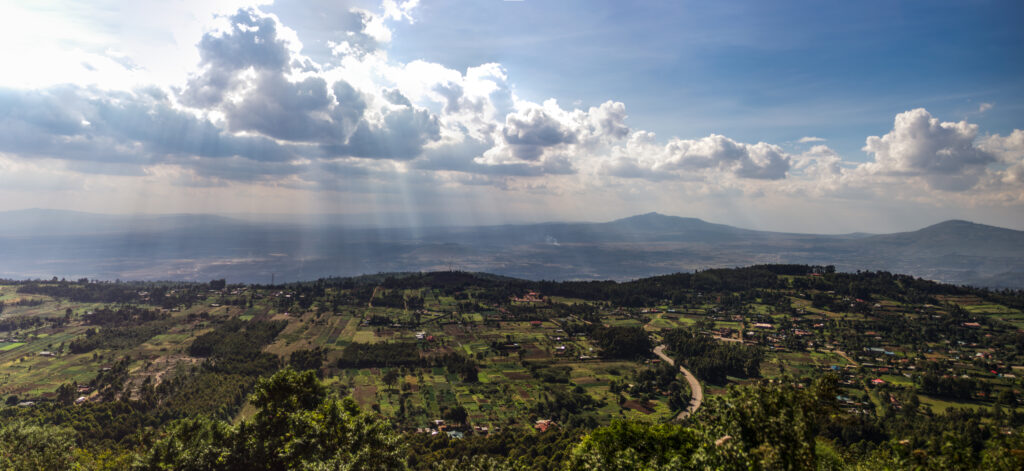
Today, I saw a man playing guitar for sheep, crops stretching into the Great Rift Valley, an outdoor vegetable market covered in tarps, and vendors hocking onions amid traffic. Thunder preceded rain, sending antelope bounding for cover, and my group of agricultural communicators scurrying for the van parked outside the Kenya Agricultural & Livestock Research Organization’s (KARLO) Naivasha livestock and chicken research facility.
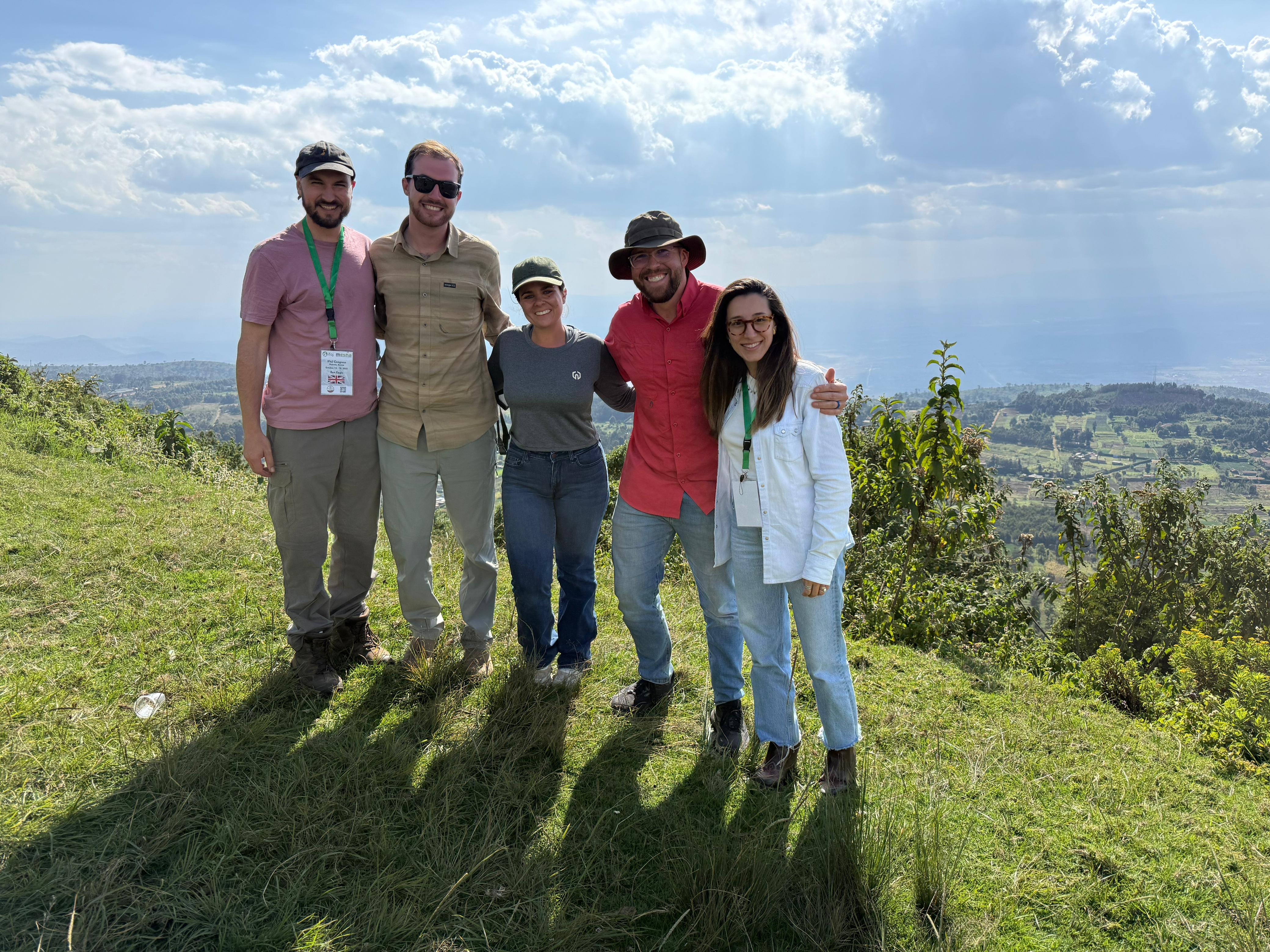
As an American journalist covering agricultural equipment and technology, I found the juxtaposition between the agribusiness I regularly write about and that which I witnessed at the International Federation of Agricultural Journalists’ (IFAJ) annual World Congress in Nairobi, Kenya to be striking. This year, more than 200 communicators representing 40 countries visited seed centers, dairy, tea and coffee farms, and saw local meat processing facilities, among many other agricultural stops at the IFAJ’s first World Congress in East Africa.
“Most of our members had never interacted with such a powerful group of agricultural journalists like the group we put together in Nairobi,” said Aghan Daniel, coordinator of Kenyan host-organization Media for Environment, Science, Health and Agriculture (MESHA) and communication and advocacy officer for the African Seed Trade Association.
Successfully hosting the 2025 Congress “has given us resolve to do better. … It raised our self-esteem and gave us a push to take our work to the next level.”
Throughout the week, communicators listened in on one plenary and seven breakaway sessions covering resilient agriculture, AI innovation, research investment, inclusion, and food safety and security. Highlights included an AI agronomist chatbot created by Kenyan researchers that lets local farmers optimize yield with existing field data, and a trip to Andermatt Kenya’s biologicals research facility.
Attendees heard from speakers including Dr. Paul Kipronoh Ronoh, principal secretary at Kenya’s State Department for Agriculture; Jonathan Mwangangi Mueke, of the State Department for Livestock Development; and a keynote address from Sen. Mutahi Kagwe, cabinet secretary for the Ministry of Agriculture and Livestock Development, Kenya.
Field visits included Gatura Greens Tea Farm, the International Center of Insect Physiology and Ecology and KARLO’s Dairy Research Institute Naivasha, among many others.
“Exploring Kenyan agriculture with 180 (journalism) colleagues from around the world was a priceless opportunity to witness a hotspot of global agricultural development. It was also a great opportunity to compare notes on reporting and story angles with fellow journalists, bringing home their observations to audiences of all kinds. I was especially excited to see so many new participants from ACN in Kenya. The energy is contagious and helps make IFAJ Congress such a great opportunity to level up by thinking on a global level and learning from fellow journalists,” said Steve Werblow, IFAJ president.
Encouraged by the scientific advancements I discovered at research facilities around Nairobi and the many networking connections I made with international communicators, I left Kenya invigorated to dive further into my own journalism work. Next year’s IFAJ World Congress will be held in Croatia. For more information, visit ifaj.org.
– Castillo is editor of farm technology and equipment at Farm Progress